
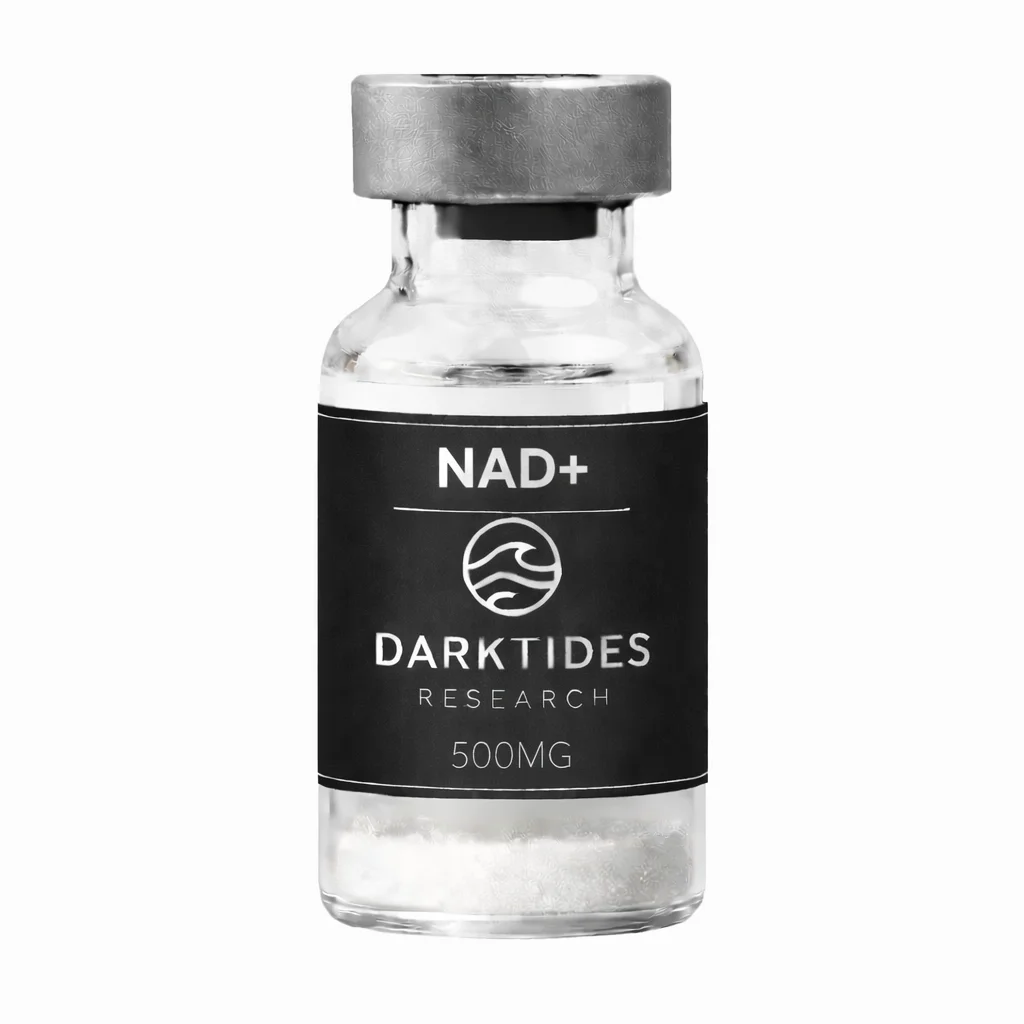
NAD+ 500MG
£60.00 Original price was: £60.00.£50.00Current price is: £50.00.
NAD+ 500mg UK research-grade coenzyme material supplied in lyophilized form for laboratory investigation. Each pack contains 10 vials with 500 mg per vial. Review purity, molecular formula, physical properties and handling information.
For research use only. Not for human or veterinary use.
NAD+ 500mg UK — Laboratory Research Product
NAD+ 500mg UK is presented for qualified laboratory, analytical and in vitro research. This research coenzyme is listed with product-specific technical information to help UK researchers assess identity, format and handling requirements before use in a controlled research environment.
- Product: NAD+ 500MG
- Pack specification: 500 mg per vial, 10 vials per pack
- Intended use: Laboratory and in vitro research only
- Restriction: Not for human or veterinary use, consumption, diagnosis or treatment
Premium NAD+ 500MG Research Coenzyme — High-Purity Nicotinamide Adenine Dinucleotide for Laboratory Use
Product Overview
Premium NAD+ (nicotinamide adenine dinucleotide) 500MG is a research‑grade coenzyme essential for cellular metabolism and energy production. It is supplied as a sterile lyophilized powder in sealed vials. Each package contains ten vials, with each vial holding 500mg of the research compound. This product is manufactured exclusively for scientific investigation and in vitro laboratory experimentation.
Key Specifications at a Glance:
Quantity: 500mg per vial, 10 vials per pack
Form: Lyophilized (freeze‑dried) powder
Purity: ≥99% verified by third‑party testing
Molecular Formula: C₂₁H₂₇N₇O₁₄P₂
Molecular Mass: 663.43
CAS Number: 53-84-9
Synonyms: DPN, Cozymase, Codehydrogenase I, Nadide, Beta‑NAD
Research Use Only: Not for human or animal consumption
Understanding NAD+: The Research Context
NAD+ (nicotinamide adenine dinucleotide) is a fundamental coenzyme found in every living cell. It plays an essential role in cellular metabolism, energy production, and DNA repair mechanisms. As a central molecule in redox reactions, NAD+ exists in two forms: the oxidized form (NAD+) and the reduced form (NADH). The ratio between these two forms is critical for cellular function and metabolic health.
Key Research Interests:
Cellular energy metabolism and bioenergetics
Redox biology and electron transfer mechanisms
Sirtuin enzyme activation and regulation studies
DNA repair pathways (PARP enzyme research)
Mitochondrial function and aging biology
Neurodegenerative disease models
Researchers utilize NAD+ in controlled laboratory settings to study fundamental cellular processes including energy metabolism, DNA repair mechanisms, and calcium signaling pathways. The coenzyme is of particular interest to investigators focused on metabolic disorders, neurodegenerative diseases, and the basic biology of aging.
The Significance of NAD+ in Cellular Biology:
NAD+ is one of the most abundant and critical molecules in cellular metabolism. It serves two primary functions in cells:
| Function | Description | Research Relevance |
|---|---|---|
| Electron Carrier | Accepts electrons during glycolysis, Krebs cycle, and fatty acid oxidation | Metabolic flux studies, mitochondrial function |
| Enzyme Substrate | Consumed by sirtuins, PARPs, and CD38 enzymes | Aging research, DNA repair, calcium signaling |
Age‑Related NAD+ Decline:
NAD+ levels decline significantly with age, a phenomenon linked to reduced cellular repair capacity, mitochondrial dysfunction, and increased susceptibility to age‑related conditions. This age‑related decline makes NAD+ metabolism a highly active area of basic research in gerontology and regenerative medicine.
Third‑Party Testing and Quality Assurance
Every batch of Premium NAD+ 500MG undergoes rigorous independent analytical testing to verify identity, purity, and consistency. This third‑party testing ensures that researchers receive a product that meets strict quality specifications before it is approved for release.
The testing process includes:
Identity verification through mass spectrometry
Purity analysis using high‑performance liquid chromatography (HPLC)
Batch‑to‑batch consistency checks
Residual solvent analysis to confirm complete lyophilization
With a verified purity of ≥99% as confirmed by HPLC, NAD+ meets the high standards required for serious laboratory research applications. Each vial contains only the lyophilized research compound with no unnecessary additives, fillers, or excipients. Batch‑specific Certificates of Analysis (CoA) are available upon request.
Chemical and Physical Properties
Molecular Characteristics
NAD+ is a dinucleotide consisting of two nucleotides joined by their phosphate groups. One nucleotide contains an adenine base, while the other contains a nicotinamide base.
Detailed Molecular Information:
Molecular Formula: C₂₁H₂₇N₇O₁₄P₂
Molecular Mass: 663.43 daltons
CAS Number: 53-84-9
EINECS Number: 200-184-4
Purity: ≥99% (HPLC)
Appearance: White to off‑white lyophilized powder
Solubility: Freely soluble in water
Structural Features:
Contains a nicotinamide ring that can accept an electron and a proton to become NADH
Contains an adenine nucleotide
Linked by two phosphate groups (pyrophosphate linkage)
Positively charged nicotinamide ring
Physical Form and Storage
The product is supplied as a lyophilized (freeze‑dried) powder within a sterile, sealed vial. Lyophilization preserves the chemical integrity of the coenzyme by removing water content while maintaining the compound’s structure.
Recommended Storage Conditions:
Store lyophilized powder at -20°C (-4°F) or below for long‑term preservation
Protect from light exposure
Keep desiccated to prevent moisture absorption
Allow vial to reach room temperature before opening to avoid condensation
Avoid repeated freeze‑thaw cycles once reconstituted
Stability Considerations:
NAD+ is hygroscopic (absorbs moisture from the air) and can degrade when exposed to humidity, heat, or light. Proper storage is essential to maintain purity. Once reconstituted in aqueous solution, NAD+ is less stable than in lyophilized form and should be used promptly or stored frozen in aliquots. Short‑term storage (weeks) of reconstituted solution can be at 2‑8°C under sterile conditions.
Intended Use and Regulatory Status
Research Use Only
NAD+ is classified as a research chemical and is intended exclusively for laboratory and in vitro experimentation. This designation means the product is sold strictly for:
In vitro testing — experiments conducted in controlled laboratory environments
Cell culture studies — investigating cellular metabolism and signaling
Enzyme assays — studying NAD+‑dependent enzymes (sirtuins, PARPs, CD38)
Biochemical research — redox reaction and electron transport studies
Aging research — investigating NAD+ decline and cellular senescence
Analytical research — chemical analysis and characterization studies
Scientific investigation — basic research into cellular metabolism
Important Regulatory Notice
This product is not a drug, food, cosmetic, or medical device. Bodily introduction of any kind into humans or animals is strictly forbidden by law. The product should only be handled by licensed, qualified professionals working in appropriate laboratory facilities.
The supplier is a chemical supplier, not a compounding pharmacy or outsourcing facility under Sections 503A or 503B of the Federal Food, Drug, and Cosmetic Act. All product information provided is for educational and research purposes only and does not constitute medical advice or clinical recommendations.
Handling and Safety Guidelines
Professional Handling Required
NAD+ should only be handled by trained laboratory personnel wearing appropriate personal protective equipment (PPE), including:
Laboratory coat
Nitrile gloves
Safety goggles or face shield
Appropriate respiratory protection if aerosolization is possible
Reconstitution Protocol
For laboratory use, the lyophilized powder should be reconstituted with a sterile, compatible solvent. Standard practice includes:
Allow the sealed vial to reach room temperature — approximately 15-30 minutes
Clean the rubber stopper with an alcohol swab
Add the calculated volume of solvent to achieve desired concentration
Gently swirl or roll the vial between palms — do not shake vigorously to avoid foaming
Allow complete dissolution before use — this typically takes 2-5 minutes
Reconstitution Example for NAD+ 500MG:
For researchers needing a 100mg/mL working solution, add 5mL of sterile solvent to the 500mg vial. For a 50mg/mL solution, add 10mL of solvent. For a 25mg/mL solution, add 20mL of solvent. Always verify calculations before proceeding with experiments.
Solvent Considerations:
NAD+ is freely soluble in water. Researchers should determine the appropriate solvent based on their specific experimental protocol. Common options include sterile water for injection, bacteriostatic water, or buffered solutions such as phosphate‑buffered saline (PBS) at neutral to slightly alkaline pH. NAD+ solutions are typically stable at neutral to slightly alkaline pH but degrade more rapidly under acidic conditions.
Disposal Considerations
Dispose of NAD+ and any contaminated materials in accordance with federal, state, and local regulations for chemical waste disposal. Do not dispose of in regular trash or down drains unless permitted by local guidelines.
Research Applications
NAD+ is used in various laboratory research contexts, spanning biochemistry, cell biology, and molecular biology. Typical applications include:
Redox Biology and Metabolism Research:
NAD+ is central to cellular energy metabolism. Researchers use NAD+ to study:
Glycolysis and the conversion of glucose to pyruvate
The Krebs cycle (citric acid cycle) and oxidative metabolism
Fatty acid beta‑oxidation pathways
Electron transport chain function
Lactate dehydrogenase (LDH) assays
Alcohol dehydrogenase studies
Sirtuin and PARP Enzyme Research:
NAD+ is a critical substrate for NAD+‑dependent enzymes. Common research applications include:
Sirtuin (SIRT1‑7) enzyme activity assays
PARP (poly‑ADP‑ribose polymerase) activity studies
CD38 and CD157 enzyme characterization
NADase activity measurements
Deacetylation and ADP‑ribosylation assays
Aging and Longevity Research:
The decline in NAD+ levels with age is a highly active area of basic research. NAD+ 500MG is used to study:
Age‑related changes in cellular metabolism
Sirtuin‑mediated pathways in aging models
DNA repair mechanisms and genomic stability
Cellular senescence markers and pathways
Mitochondrial dysfunction and stem cell aging
Neurobiology Research:
NAD+ plays important roles in neuronal function and survival. Researchers use NAD+ 500MG to study:
Neuronal energy metabolism
Axonal degeneration mechanisms
Neuroprotective signaling pathways
Calcium homeostasis in neurons
Neurodegenerative disease models (Alzheimer’s, Parkinson’s)
Cell Culture Studies:
NAD+ is used in controlled cell culture systems to investigate:
Cellular responses to NAD+ modulation
Metabolic flux and energy homeostasis
Cell viability and proliferation
Oxidative stress responses
Mitochondrial function
Enzyme Kinetics and Assay Development:
NAD+ is used as a substrate and standard in analytical applications:
HPLC method development and validation
Mass spectrometry calibration standards
Enzymatic assay validation
Metabolomics research
Researchers should design their experimental protocols based on peer‑reviewed literature and established laboratory practices specific to NAD+ 500MG biochemistry and coenzyme research.
What Makes This Product Different
Essential Cellular Coenzyme
NAD+NAD+ 500MGcentral role in metabolism and cellular signaling makes it a critical reagent for a wide range of biological research applications.
High‑Capacity 500MG Vials for Large‑Scale Research
The 500mg vial size is specifically designed for researchers conducting large‑scale experiments, high‑throughput enzyme assays, extended time‑course studies, or protocols requiring substantial coenzyme quantities. This high capacity reduces the number of vials needed for extensive research programs.
Well‑Characterized Research History
NAD+ has been extensively studied in clinical and preclinical research. Multiple clinical trials have established the safety and bioavailability profiles of NAD+ precursors, providing researchers with a robust foundation for experimental design.
Rigorous Quality Control
Unlike research chemicals sold without verification, NAD+ comes with documented third‑party testing for every batch, including HPLC purity analysis and mass spectrometry identity confirmation.
Complete Documentation
Each product listing includes full chemical specifications, including molecular formula, molecular mass, CAS number, and synonyms. Batch‑specific Certificates of Analysis (CoA) are available upon request.
Batch Traceability
Each package of NAD+ includes batch identification numbers that allow researchers to trace their material back to original manufacturing and testing records. This traceability is essential for reproducible research and quality documentation.
Frequently Asked Questions for Researchers
What is the purity level of NAD+?
Each batch is tested to verify purity of ≥99% via HPLC, with identity confirmed by mass spectrometry. Individual certificates of analysis are available upon request. NAD+ 500MG
What is the difference between NAD+ and NADH?
NAD+ is the oxidized form of nicotinamide adenine dinucleotide, while NADH is the reduced form. The two forms differ by the addition of a hydride ion (H⁻) to the nicotinamide ring. Researchers use both forms depending on whether they need to study oxidation or reduction reactions.
What is the significance of the CAS number 53-84-9?
The CAS number is a unique identifier for NAD+ 500MG, allowing researchers to verify they are working with the correct chemical compound when ordering or referencing NAD+ 500MG in publications.
How should the lyophilized powder be stored?
Store at -20°C or below, protected from light and moisture. NAD+ 500MG is hygroscopic, so keeping the vial tightly sealed and desiccated is particularly important. The lyophilized powder has a shelf life of up to 24 months when stored properly. NAD+ 500MG
What solvent should be used for reconstitution?
NAD+ is freely soluble in water. Common options include sterile water for injection, bacteriostatic water, or buffered solutions such as PBS at neutral to slightly alkaline pH. Avoid acidic solvents (below pH 5.0) which accelerate degradation. NAD+ 500MG
Is this product sterile?
The lyophilized powder is manufactured under aseptic conditions, but researchers should follow standard laboratory practices for handling research chemicals. For cell culture applications, additional filtration using a 0.22‑micron filter may be appropriate. NAD+ 500MG
What research applications is NAD+ used for?
NAD+ 500MG is studied in redox biology, cellular metabolism, sirtuin and PARP enzyme research, aging biology, neurobiology, and cell culture investigations in laboratory research settings.
How stable is NAD+ in solution?
NAD+ 500MG is less stable in aqueous solution than in lyophilized form. For optimal stability, reconstituted solutions should be used promptly or aliquoted and frozen at -80°C. Short‑term storage (up to 2 weeks) at 2‑8°C is acceptable under sterile conditions.
Can NAD+ be used in combination with other research compounds?
Researchers should determine compatibility based on their specific experimental design. NAD+ 500MG is often used in enzyme assays with specific substrates and cofactors. Standard laboratory practice includes testing interactions in control experiments before full‑scale implementation.
Final Notes for Laboratory Researchers
Premium NAD+ 500MG represents a high‑purity research tool for qualified professionals conducting legitimate scientific investigations into cellular metabolism, redox biology, enzyme kinetics, aging mechanisms, and related fields. With documented third‑party testing, complete chemical specifications, and appropriate packaging for laboratory use, this product meets the standards expected by serious researchers. NAD+ 500MG
The 500mg vial size is specifically optimized for large‑scale research applications requiring substantial coenzyme quantities, including high‑throughput enzyme assays, extended time‑course studies, and protocols demanding consistent batch material across numerous experiments. As an essential cellular coenzyme with well‑characterized research history, NAD+ 500MG offers fundamental research opportunities in metabolism, aging, and cellular signaling.
For research use only. Not for human or animal consumption. Handle only in appropriate laboratory facilities with proper safety equipment and training. NAD+ 500MG


MAECENAS IACULIS
Vestibulum curae torquent diam diam commodo parturient penatibus nunc dui adipiscing convallis bulum parturient suspendisse parturient a.Parturient in parturient scelerisque nibh lectus quam a natoque adipiscing a vestibulum hendrerit et pharetra fames nunc natoque dui.
ADIPISCING CONVALLIS BULUM
- Vestibulum penatibus nunc dui adipiscing convallis bulum parturient suspendisse.
- Abitur parturient praesent lectus quam a natoque adipiscing a vestibulum hendre.
- Diam parturient dictumst parturient scelerisque nibh lectus.
Scelerisque adipiscing bibendum sem vestibulum et in a a a purus lectus faucibus lobortis tincidunt purus lectus nisl class eros.Condimentum a et ullamcorper dictumst mus et tristique elementum nam inceptos hac parturient scelerisque vestibulum amet elit ut volutpat.
Reviews
There are no reviews yet.